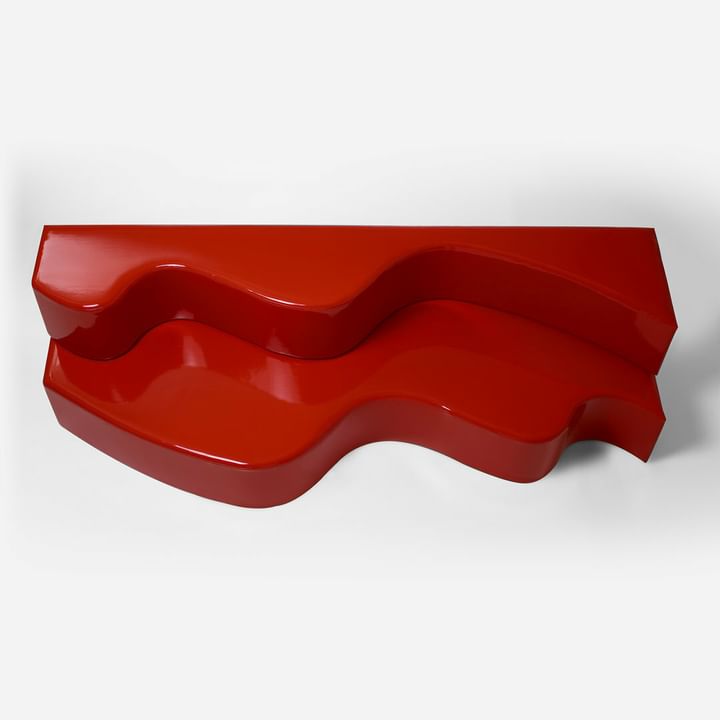
Poltronova and the Italian Design Laboratory Between Masters and Radicals
Discover the story of Poltronova, a Tuscan icon that in the 1960s transformed design into a laboratory of ideas, experimentation, and creative freedom. A journey shaped by masters and radicals, bold visions, and objects that became symbols of an era, still capable of inspiring and surprising today.
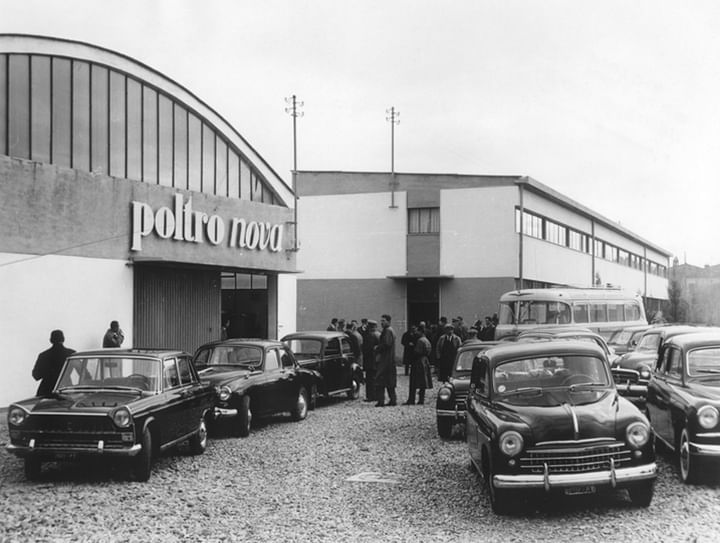

Image Credit: Poltronova
In the 1960s, in a Tuscany still far from the major centers of industrial design, Poltronova stood out as an exceptional case. Within just a few years, the company brought together under one brand some of the most important figures in Italian design, creating a catalog that fully reflected the spirit, tensions, and contradictions of the time.
Founded by Sergio Cammilli, in synergy with Mario Bonacchi, Loredano Bucciantini, and Vinicio Scatizzi, Poltronova chose a different path from many companies of the era, which were often tied to a clearly defined and exclusive idea of design. Cammilli embraced experimentation, bringing together designers with very different visions. The catalog featured names such as Ettore Sottsass, Gae Aulenti, Angelo Mangiarotti, Giovanni Michelucci, and Paolo Portoghesi, alongside protagonists of the New Design, later known as the Radical Design movement, such as Archizoom Associati and Superstudio. This deliberate choice reflected the belief that the strength of Italian design lay precisely in its diversity of languages and approaches.

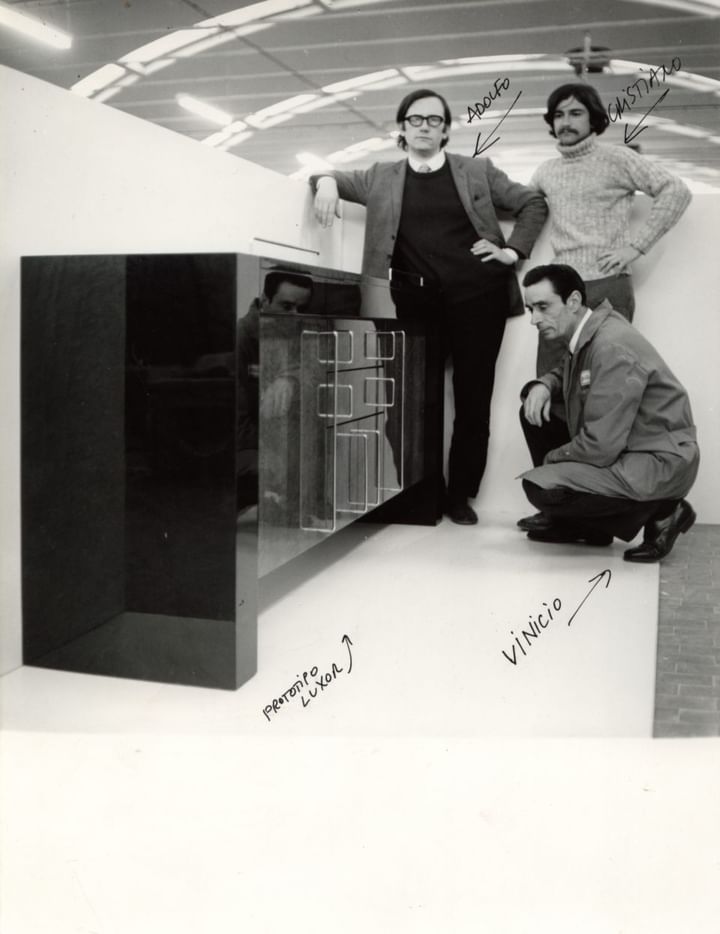
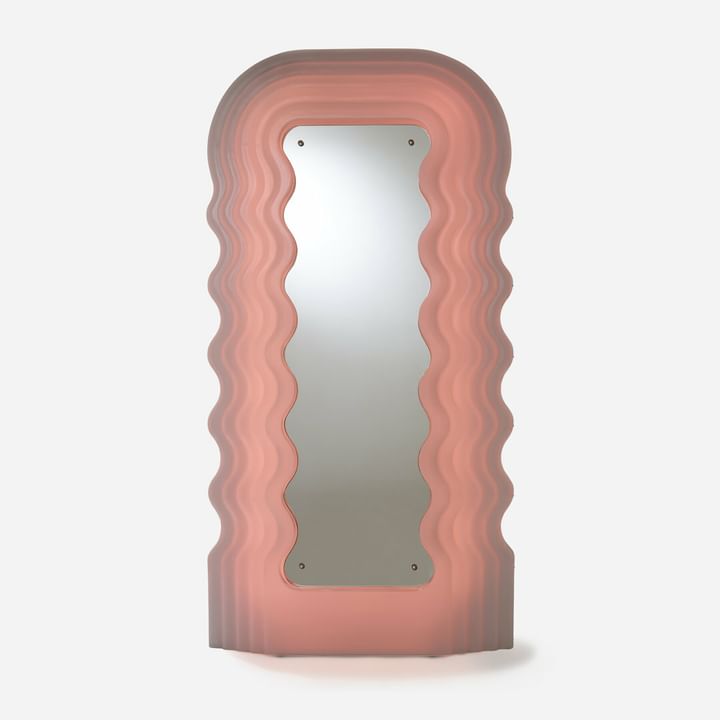
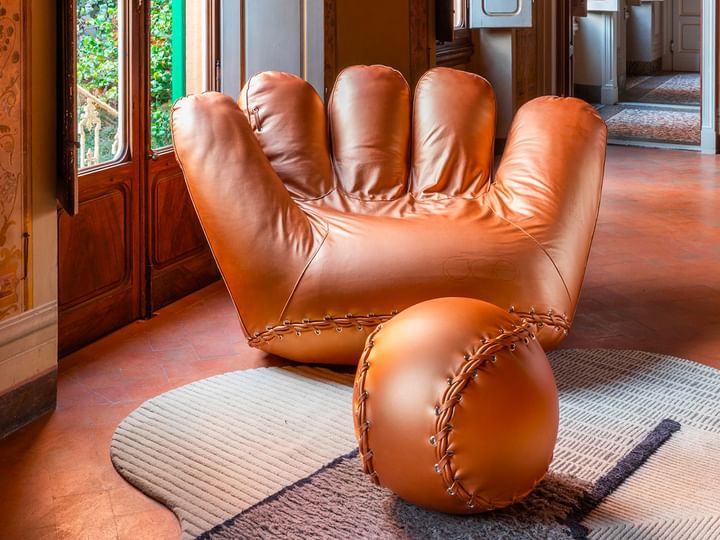
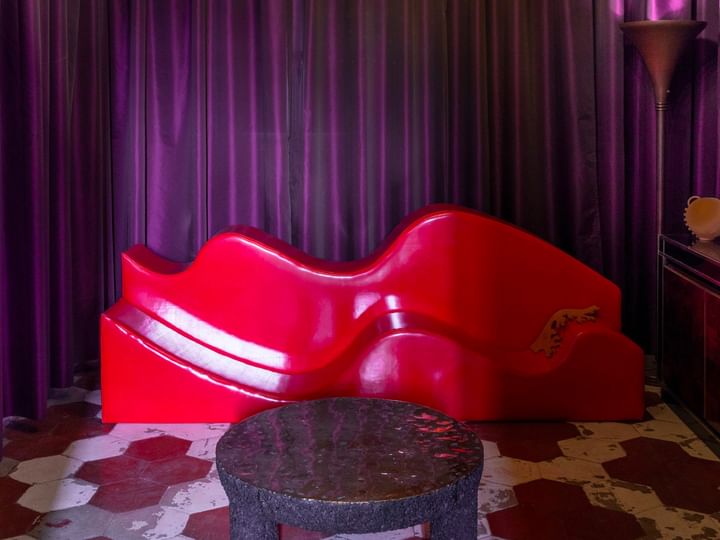
This openness was clearly reflected in its products. During those same years, Poltronova introduced provocative, unconventional furniture to the market, such as seating designed by Archizoom, alongside more structured and functional projects like Cub8, the first Italian wall unit designed by Angelo Mangiarotti. These very different objects were united by a shared desire to explore new directions, without adhering to a single stylistic path.
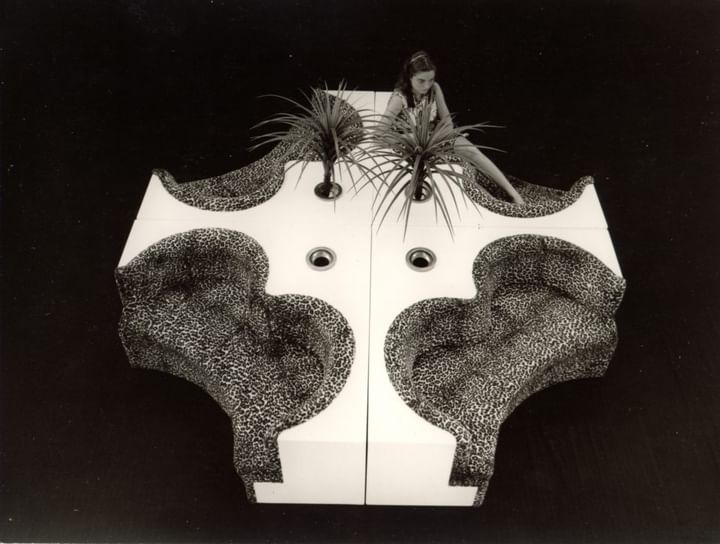
With Ettore Sottsass as art director, Poltronova became more than just a furniture company. It turned into a space for exchange and dialogue, where design engaged with art, architecture, literature, and cinema. Projects emerged in a climate of great freedom, where color, material, and decoration regained central importance after years dominated by functional rigor.
After the most intense years of its history, the brand’s legacy was preserved and enhanced in 2005 with the founding of the Centro Studi Poltronova. Its dual mission is to conserve and organize the company’s historical archive and to bring some of its most representative pieces back into production, in full respect of the original designs.
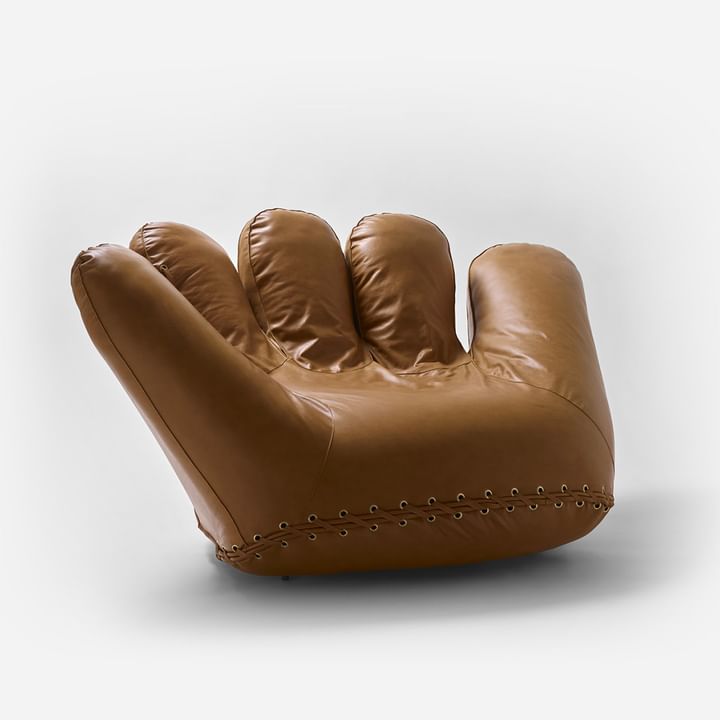
Today, Poltronova continues to produce furniture and lighting systems that have shaped the history of Italian design. Though born in a specific cultural context, these objects still engage with the present, retaining their expressive power. Poltronova thus remains a unique case: not a brand tied to a single style, but a collective experience that turned design into a space for research, dialogue, and creative freedom.